Christiane Lechner (MWBW)
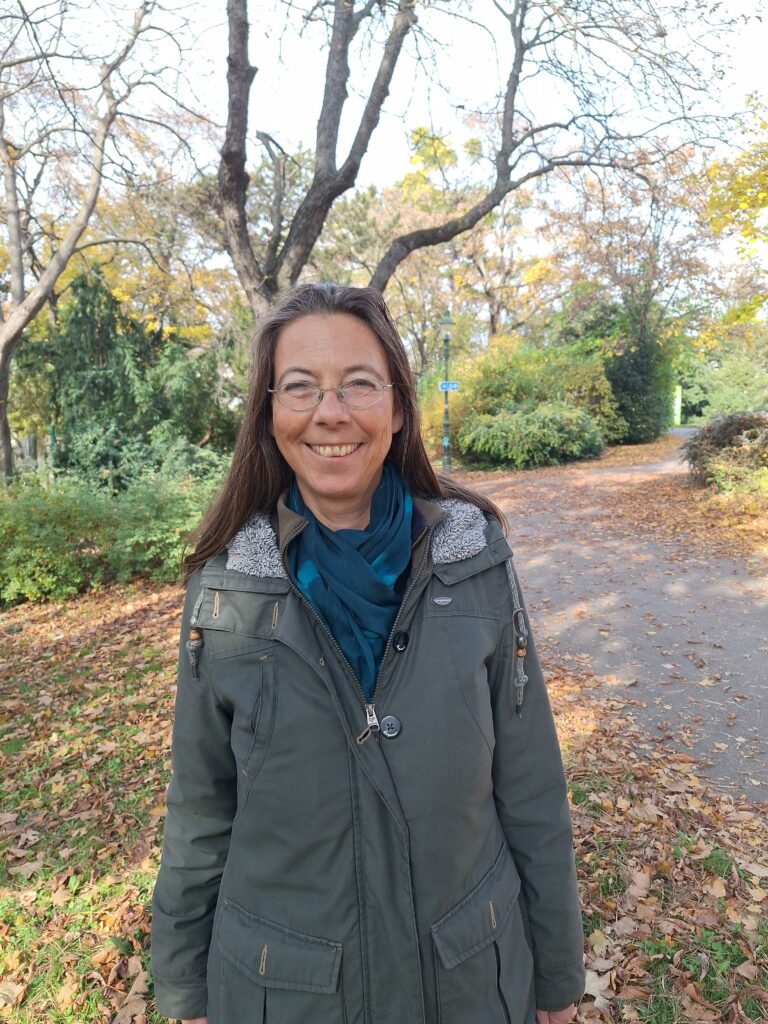
I have worked on fixed term contracts for many years and have experienced a number of problems caused by §109 UG. This way of working creates insecurity and is very hindering and inefficient. I am determined to help to improve the conditions for people working in science.
Stefan Ohrhallinger (INF)
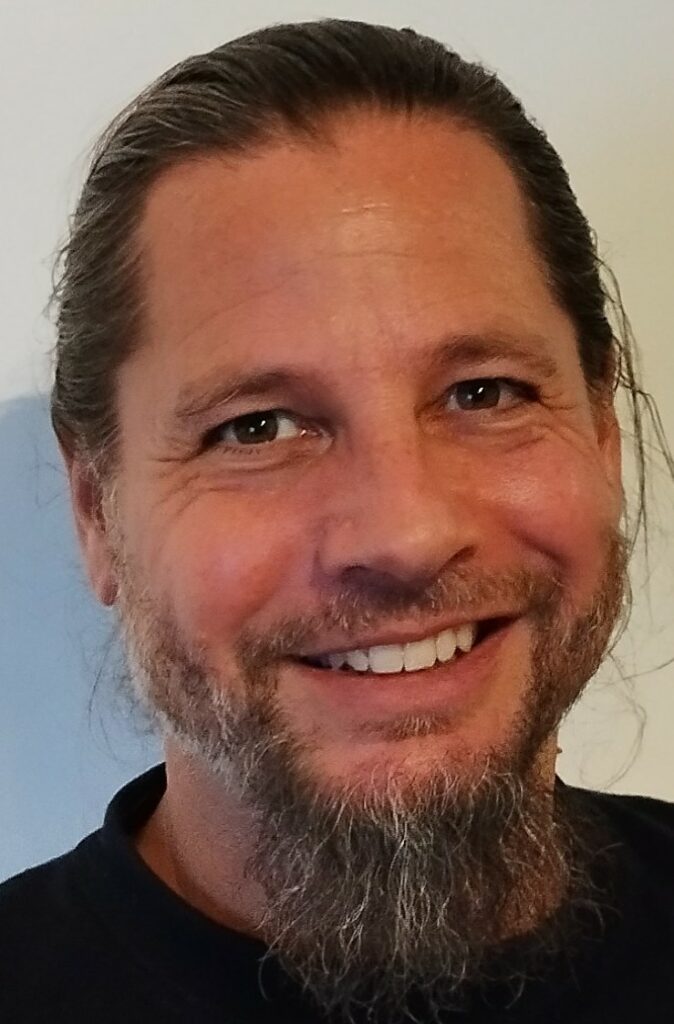
After acquiring over €1.6M of grants, financing not only myself but multiple PhDs as a Principal Investigator in several projects, I can’t believe I still have an expiry date.
In the works council, I will continue to fight for our fair, transparent, and sustainable career model for third-party funded scientists – since we contribute a large share of TU Wien’s research.
Claudia Benesch (ETIT)
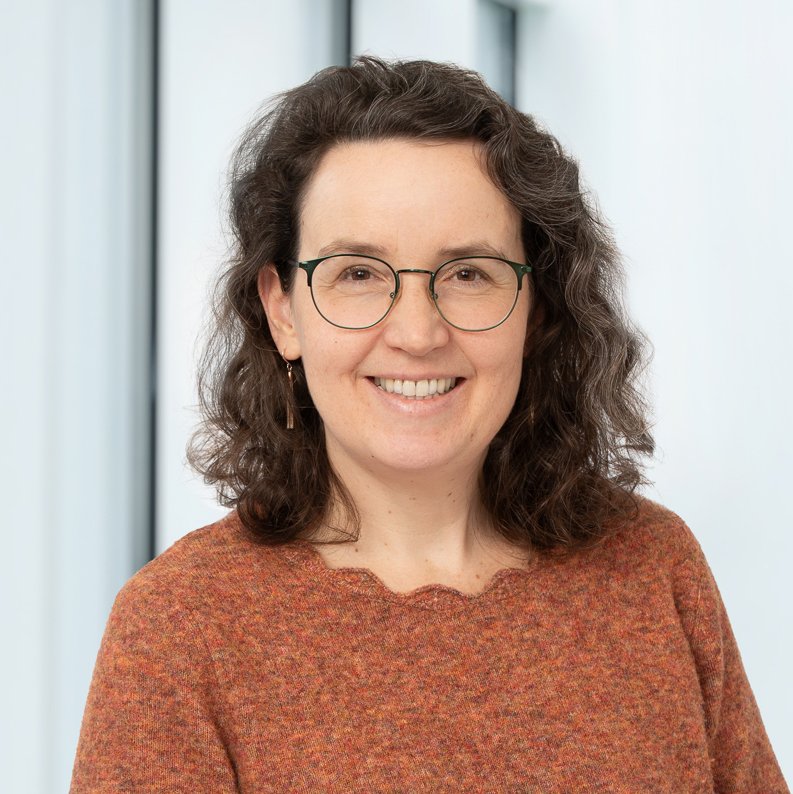
It makes absolutely no sense that I will have to leave TU in a few years, totally irrespective of my commitment, performance and the low number of women among the scientific staff.
In the works council I will cooperate constructively to create structures that enable and strengthen diversity.
Karl Hollaus (MATH)
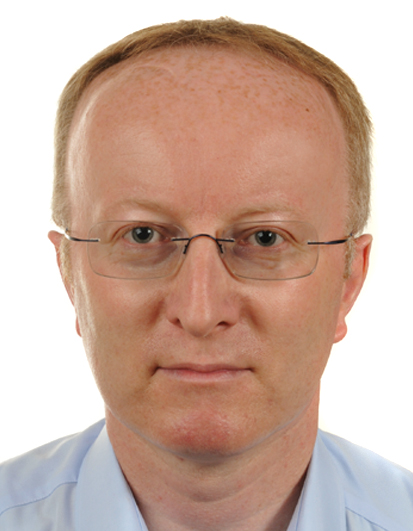
A significant part of teaching at TU Wien is carried out by us. High-quality teaching requires a lot of time. Time that is then lacking for research and project acquisition, for example. We expect appropriate recognition and remuneration for the effort involved in teaching. Project assistants should get the same compensation as university assistants. Independent (non-supervised) teaching should be remunerated at 100 percent. Fair pay for work done, including tutors and student assistants!
Aurelie Jacob (CEE)
Aurelie (our candidate number 5) was deleted from the list because of the chain contracts. She has only 5.5 instead of the required 6 months of consistent employment prior to the elections. She has already been at TU Wien from 01/2016 to 12/2024, though. These temporary contracts with possible interruptions are exactly the problem we are fighting!
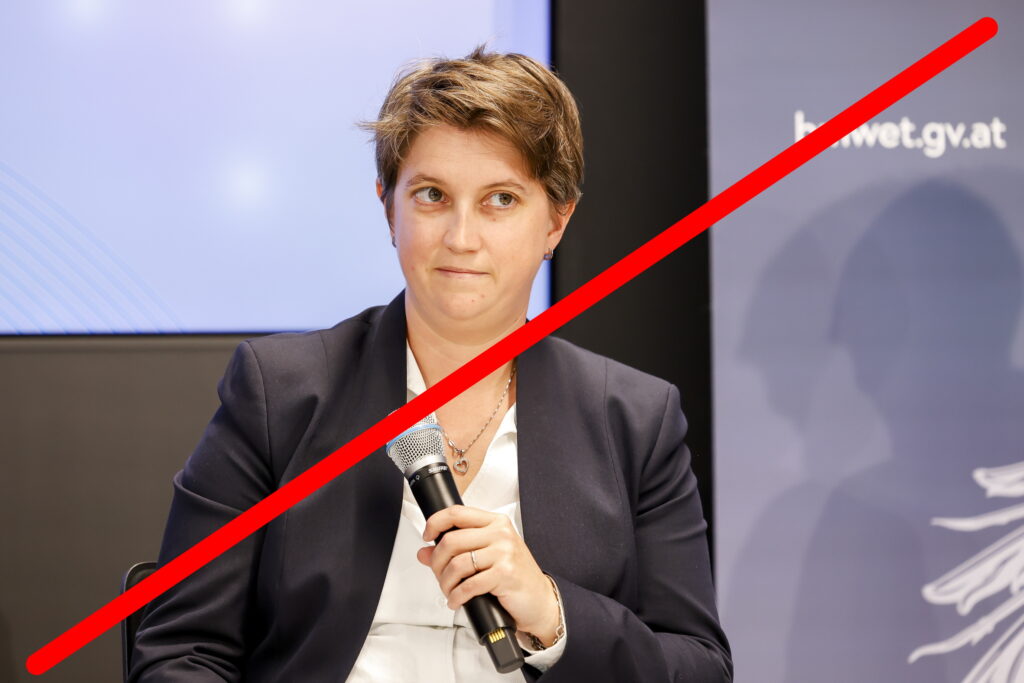
After nine years as a postdoctoral researcher at TU Wien, I had to leave due to a chain rule contract (UG §109) and a lack of project funding (I was still waiting for the FWF to respond to my application for an Elise Richter project).
While I was unemployed, my project was approved, and I was offered the opportunity to return. The fact that I was an external employee complicated administrative tasks for the start of the project, and I needed the help of internal colleagues.
Despite my international experiences (four countries), I was asked several times to go abroad to further continue my career, but this is not feasible due to family commitments.
Stefan Wilker (ETIT)
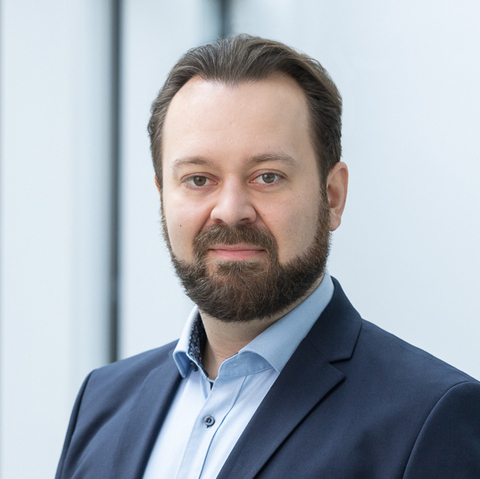
Navigating through 16 limited contracts myself, I have seen too many constellations where our most skilled and eager colleagues had to leave my research group or the institute. This was often due to the limitations of UG §109 contract handling—the rule that forces us to cut ties with valuable, proven talent after a few years.
If we continue to reset this critical, gathered knowledge base and these hard-won skills every couple of years, we don’t just lose great people; we directly damage the continuity of our research and teaching, keeping the university stuck on many levels crucial for its advancement.
Philipp Erler (INF)
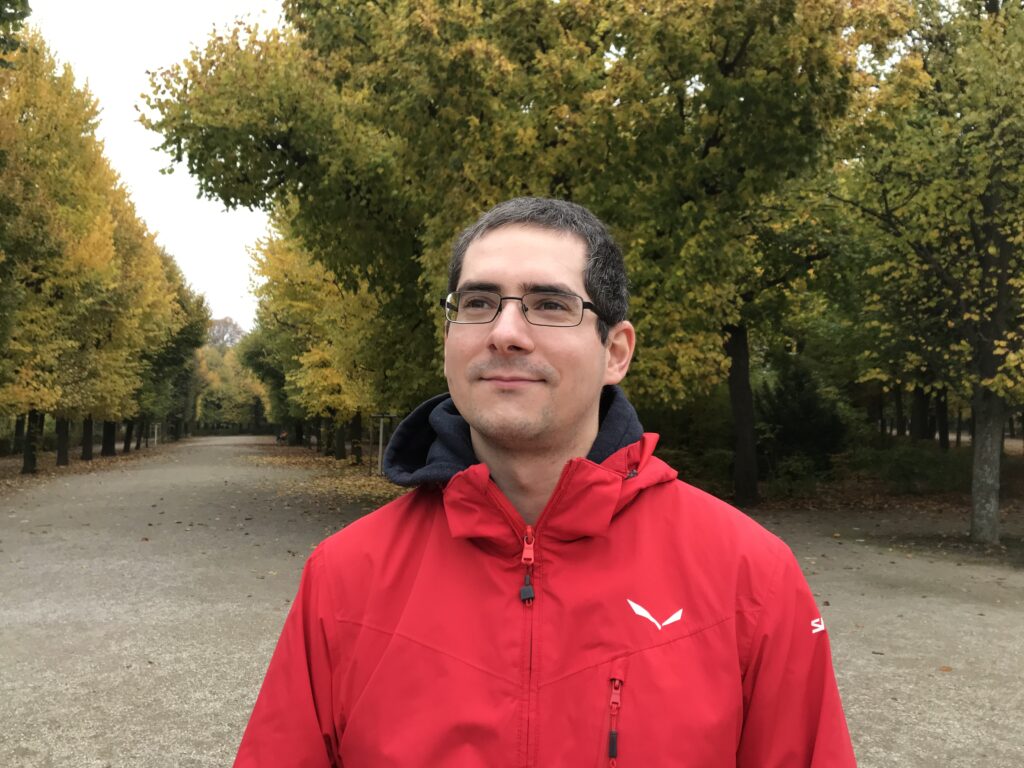
Despite making up a large portion of TU Wien’s staff and being essential for research and teaching, PhD students are often treated as an afterthought by the management. The surprisingly common lack of supervision and poor salary make the PhD studies at TU Wien a gamble that can easily waste years.
On a smaller scale, many advertised benefits are difficult or impossible to access. For example, applying for the Klimaticket refund is more difficult with the typical one-year contract. PhD students (and tutors) are part of the foundation of TU Wien and deserve better treatment!
Florian Mihola (INF)
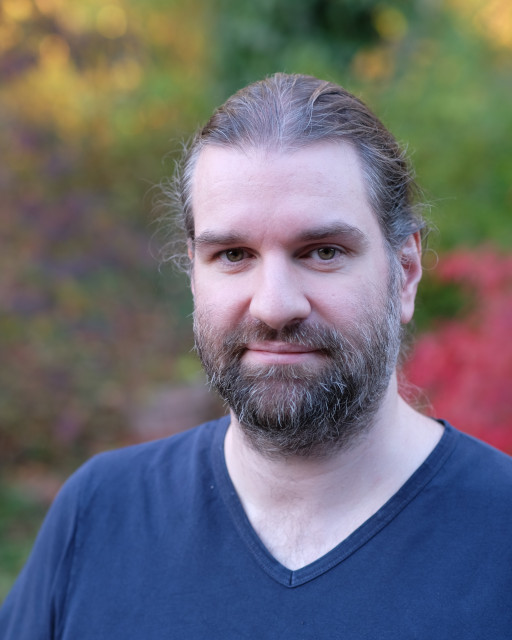
Completing a PhD while teaching is easier said than done. Teaching workloads also vary greatly between assistants. When student numbers increase but the number of assistants and tutors remains the same, this leads to less time for research and a decline in teaching quality. We will advocate for more resources and greater fairness in teaching, so that completing a PhD alongside teaching becomes realistically achievable and we can deliver the quality of teaching our students expect.
Josef Baumüller (MWBW)
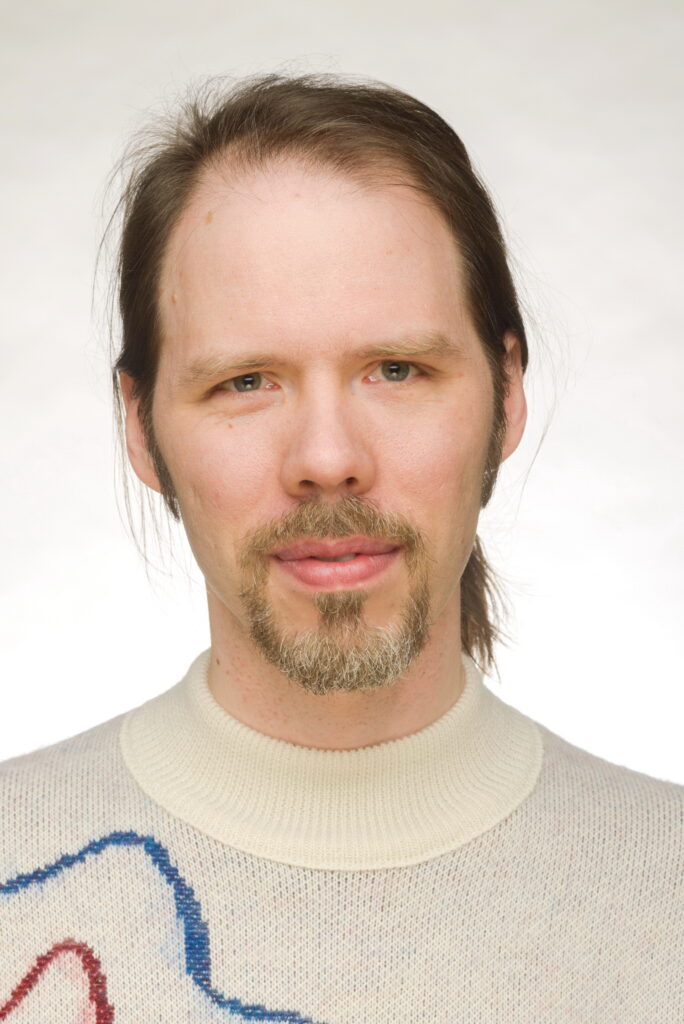
Our university follows the claim ‘technology for people’. However, many people – especially in the so-called “Mittelbau” or “Unterbau” – who invest their efforts at TU Vienna to make that claim come true every day do not feel treated fairly. They face difficult working conditions, resulting in a lack of career perspectives and uncertainties that affect both their academic work as well as private lives. This is a pity as there would be plenty of ideas and ways to improve their situations. And that is what this list is all about.
Leave a Reply